Translate

sexta-feira, 24 de abril de 2009

The United States has secret military bases in Peru: a deal that included a free trade agreement and political alliances

Thursday, April 23, 2009

The United States has secret military bases in Peru: a deal that included a free trade agreement and political alliances

The U.S. government wants to take control over the natural resources of South America, and increase its political and economic power in South America, through its military bases in Peru and Colombia.

New Horizon Peru 2008 "humanitarian" assistance mission. Photo U.S. Department of Defense

The old European ways of colonialism included the invasion of other people’s land and the administration of their resources and slavery of the colonized people. That model doesn’t work anymore, so now the United States is running a new way of colonialism, through its military bases around the world. It is a whole military empire, according to historian Chalmers Johnson.

This fact is supported by several scholars and activists, and I have based this post partially in their work - including David Vine, an anthropologist and author of the book “Island of Shame: The Secret History of the U.S. Military Base on Diego Garcia" (Princeton University Press, 2009) and professor at American University.

Also I refer to Hugh Gusterson, an anthropologist and professor at George Mason University and author of the books Nuclear Rites: A Weapons Laboratory at the End of the Cold War (University of California Press, 1996) and People of the Bomb: Portraits of America's Nuclear Complex (University of Minnesota Press, 2004).

As the United States faces an economic recession, instead of cutting spending, more military bases are being opening around the world: the U.S. Southern Command has reopened its 4th Fleet in Latin America, and launched Africom in Africa.

Currently the U.S. has over 1,000 military bases around the world, according to Hugh Gusterson, and that network makes up 95% of foreign military bases in the world. The U.S. 2009 defense budget reaches over $651 billion dollars (PDF file) and to maintain the bases overseas the U.S. spends over $102 billion dollars annually. Only in Germany the U.S. has 227 military bases. Gusterson says this is the time to shut down overseas military bases, but that is not happening in Peru and South America, as we can see.


Targeting Peru and Colombia

The intention of American military bases in South America is to reassure the U.S. influence over the region, where democratically elected leftist governments are gaining momentum in most countries.

SOUTHCOM Map. U.S. Department of Defense

Governments run by Hugo Chavez, Evo Morales and Rafael Correa constitute an obstacle to the unregulated extraction of natural resources by American corporations.


U.S. military bases might be located in Lima, Ayacucho y Pucallpa.


As I have wrote before in this blog, there are close ties between the U.S. Peru Free Trade Agreement - FTA and the chance of the U.S. opening a military base in the Andean country.

Thus, a secret deal might have been agreed between the Alan Garcia government and the Bush administration in order to build more than one secret base like the one spotted in the Ayacucho region, in the central Andes region of Peru.

This deal could have been part of the reason why the Peru FTA was passed by the U.S. Congress with such extraordinary majority, days after Secretary of Defense Robert M. Gates asked Congress members to do so.

Peruvian President Alan Garcia, left, greets U.S. Secretary of Defense Robert M. Gates at the Presidential Palace in Lima, Peru, Oct. 5, 2007. Photo by Tech Sgt. Jerry Morrison, U.S. Air Force (RELEASED) Defense Dept. photo by Tech Sgt. Jerry Morrison, U.S. Air Force

The FTA is an agreement that harms the future of most Peruvians, but greatly benefits American corporations and the wealthy elite of Lima. In fact, for many the NAFTA-like commercial pacts are ways of U.S. imperialism and appropriation of natural resources and cheap labor from poor countries like Peru. Those are things that the U.S. needs to continue to growing economically and to compete with China, Russia and others.

According to David Vine, the U.S. government is looking for new sites in Colombia and Peru to open military bases. Please watch this video:


This map of the U.S. military bases in the world is also included in the book of David Vine:

Autor: David Vine, Island of Shame: The Secret History of the U.S. Military Base on Diego Garcia (Princeton University Press, 2009)


How the US-Peru FTA became a reality

And we thought it was decided by the U.S. and Peru Congress members.

By January 22, 2007 the new Ambassador of Peru to the OAS, Antero Flores-Araoz presented his credentials in Washington, DC. Flores-Araoz has been one of the most fervent defenders of the Peru FTA and his presence in the US might have responded to other reasons than to represent Peru solely.

By May 10, 2007 then sub secretary of State John Negroponte traveled to Lima to meet with president Garcia. He was the former Bush ambassador to invaded Iraq, and close adviser to Henry Kissinger in Latin American issues, being involved in the Plan Condor and U.S. sponsored Central America's Contra war scandals. Negroponte also met with several Peruvian authorities, including then minister of Education (!) Jose Chang.

In October 2007 the Secretary or Minister of Defense of USA, Robert M. Gates -appointed by Bush and confirmed in office by president Obama- went to Lima and met with then Peruvian Defense Minister Allan Wagner and President Alan Garcia at the Government Palace in Lima.

Former U.S. President George W. Bush greets Peru's Defense Minister Antero Flores on his arrival at the airport in Lima November 21, 2008. Bush was in Peru to attend the Asia Pacific Economic Cooperation (APEC) forum.

Official versions of the Peruvian media said that Gates met with Peruvian authorities to discuss common security issues, including illegal drugs and weapons trafficking, narco-terrorism and transnational crime.

Two months after the trip of Gates to Lima, the U.S. Senate unexpectedly approved the controversial Peru FTA on December 4, 2007. By December 20, 2007 Antero Flores-Araoz was appointed as the new Minister of Defense by the Garcia administration, and he has kept silence during the U.S. military missions to Peru since then.

Meanwhile the government of Alan Garcia had already granted concessions of about 73% of the Amazon forest region of Peru, benefiting mostly in oil and natural gas American corporations. This followed the case of Camisea, a rich gas project taken over by Hunt Oil, whose owner is a close friend of Bush and one of the military contractors behind the invasion of Iraq.

One of the U.S. military bases might be located in Ayacucho

In March 2008, barely three months after the U.S. Senate approved the Peru FTA, the government of Peru announced through its Ministry of Defense, that they were talks with the U.S. government in order to build "a Medical Center and an and Joint Intelligence Operations Center” in the Pichari region where a small Peruvian Army base is located

The newspaper La Primera (Lima) published the evidence - translation by me:
The [Garcia] government had denied completely for the possibility of the U.S. installing a military base in our country, but La Primera had access to an official document certifying that the Ministry of Defense had coordinated with the former Peruvian Army General Commander, Edwin Donayre at the request of United States of America, for the construction of a Joint Operations and Intelligence Center at the base of Pichari in the Valley of the Apurimac and Ene Rivers (VRAE).

By the official document 058 VPD/A/SEC, dated March 10, 2008, the Vice Minister for Defense Policy, Nuria Esparch Fernandez, tells Donayre that the Defense ministry has talked with the Southern Command, through the Consultative and Military Support Group of United States of America, about the construction of "a Medical Center and a Joint Operations and Intelligence Center in the field where the Peruvian Army Pichari base is located.”

In that regard, Esparch requested the release of all documents certifying that the land belonged to the Armed Forces and asked to perform the necessary connections for this purpose with the vice admiral Mario Sanchez Debernardi, general director of Policy and Strategy at the Ministry of Defense.

Pichari is a small village located in the eastern side of the Andes Mountains of Peru, near the town of Siva and in the edge of the Ayacucho region, by the Apurimac River.


Google Earth satellite photos

It is not coincidence that satellite imagery from Google Earth -made with information provided by the U.S. Navy- show the region of Pichari with a better resolution than the rest of that area, only possible in regions of international influence.

In those pictures one can even see the village streets of Pichari and it can be distinguished an area that could be the possible secret military base location. This is not a coincidence.

Inca Kola News states:
In fact, there might not be a formal US air base in Peru the same as the one in Ecuador, but anyone who hangs in the right places in lowland Peru more than a week knows the VRAE airbase, supposedly Peru soldiers only, is constantly packed full of US soldiers, planes, copters and air crew.
Ayacucho is also the region where the 1980 guerrilla insurgence started, with the Shining Path taking over most of the central Andean region, and is one of the strongest regions that supports leftist political leaders like Ollanta Humala, who has opposed fiercely the US-Peru FTA.


VRAE: the valley of the Ene and Apurimac rivers

The VRAE region is one of the most productive coca leaf growing areas in Peru, whose production is mainly aimed at drug trafficking.

Much has been said about the participation of DEA and other agencies of the United States government in the illegal drug trade. Perhaps the presence of this military base is due to that reason.

Then it might not be a coincidence that the Pentagon's Southern Command had chosen the nearby city of Ayacucho to launch its "humanitarian" program called New Horizons Peru 2008, which was conducted between June and August 2008.

This program –according to their website- provided with free medical care to more than 12,300 Peruvians, which something hard to understand why the U.S. is doing this, being a country where 47 million Americans can’t afford proper health care and insurance.

This is a video of the Peruvian Army installations on the outskirts of Ayacucho, used by the U.S. military program "New Horizons Peru 2008, between June and August 2008:


A potential U.S. military base in Peru wouldn’t need much space or funding. La Primera has an interesting thesis:
Sources of this newspaper said that the Joint Intelligence Operations Center is already operating since the end of last year in VRAE [months after the medical mission in Ayacucho] and they made clear that this base doesn’t require four walls and a flag, as we imagine a military base might look like.

They added that the United States alleged meddling in the internal affairs of Peru is proved with the document published today, because for these centers to operate they only need a space for intelligence gathering or the presence of instrumentation to monitor communications.

Southcom in Peru

In April 2008, the U.S. Navy reopened its Fourth Fleet after 58 years of being closed.

UNITAS naval exercises in front of Peruvian coasts. Photo by U.S. Department of Defense - U.S. Southern Command

The Fourth Fleet operates within the Southern Command (SOUTHCOM), which includes the Caribbean, Central and South America. Each year the SOUTHCOM conducts joint naval exercises with several countries in the region, including Peru in an operation called UNITAS.

SOUTHCOM includes the Army, Navy, Air Force, Marine Corps, Coast Guard and various American security agencies, and currently it has 1200 employees at the main base of Mayport, Florida.


Why does the U.S. want to open a military base in Peru

The United States has more than one reason to open one or more bases, now that Ecuador will close the U.S. Manta naval and air base in 2009. American interests in the region are large.

The website of the U.S. Southern Command says "we need to control the economic stability of the region." Latin America represents 40% of U.S. foreign trade. In addition, almost 50% of U.S. annual oil imports come from the Americas. Latin America exports half of its products to the U.S.

This includes illegal drug trafficking, being Peru the second top producer of cocaine in the world. Drug production and commerce is controlled by the U.S. in some way. Plus, progressive leftist governments emerging in Latin America pose a threat to this status quo.

Another reason for a military and intelligence presence of the U.S. in southern Peru would be to protect the interests of the oligarchies of both Peru and Bolivia, who unfortunately have close ties to the Obama administration. These oligarchies would be willing to do anything in order to maintain or regain control of the resources and political power in both nations, which used to be one Hispanic colonial jurisdiction.

Should an internal conflict occur in Bolivia or Peru, there is no doubt that the U.S. would intervene militarily in some way.

Bolivian President Evo Morales had warned Peruvians of that possibility back in June 2008:
"Facing the refusal of Bolivia and Ecuador to host U.S. military bases, they are now placing them in Peru. Some empires are trying to humiliate us with the excuse of combating terrorism, under the pretext of combating drug trafficking they want to install military bases," said Morales.
When Evo Morales said this, most Peruvian media insulted him as a clown who knew nothing about Peru and Peruvian president Garcia even asked him "to mind his internal affairs or face consequences..."

"We're heading towards a militarization process"

Pichari Valley. Photo by Ronald Cuadros.

La Primera reports that some Peruvians are already quite worried:
Ricardo Soberon, a specialist on drug issues, said that this document acknowledges that U.S. cooperation goes beyond the humanitarian assistance of dentists, construction of schools, because it is directly related to information management for the international war against drug trafficking.

"We're talking more than the presence of foreign troops, this is the use of Peruvian territory to collect intelligence information that will not be used by the government of Peru, nor the Peruvian government, but by foreign agencies," he said.

He added that this shows that U.S. military cooperation is aimed at the militarization of the region and that the Southern Command wants to have a physical facility that allows them to extract intelligence information because they are not going to install what we know as a military base in the country, "What is being done is to have a space where operations can be executed, which eventually will be geopolitically and military useful for the U.S.

What will you become when you lose your land

It seems that we Peruvians have already given our country -at least for the moment- to the interests of the U.S. government, whose influence in Peru has grown ever since the government Augusto Leguía, early last century, and now is getting out of control.

U.S. Marines distributed gifts to children of Lima shanty towns. Photo by U.S. Department of Defense - U.S. Southern Command

Historically the political class of Lima’s criollos have shown they would do anything in order to maintain their privileges. They have sold their souls to right-wing Chile and Spain in the past, and now they are doing it to the American expansionists.

Peru is gradually becoming a U.S. satellite country -we might be already that- due to the enormous American influence in our internal affairs and institutions.

This fact has been greatly strengthened since the pro-United States governments of Fernando Belaunde, Alberto Fujimori and especially Alejandro Toledo, an American citizen married to an American, and who filled his cabinet and advisory team with Americans, especially Jews.

The current domestic and foreign policy of the central government of Peru have given very clear signals, that something secret and damaging is happening in the nation, and most Peruvians seem to be unaware of that. We have seeing how the influence of corporate America in the world has caused unfair societies, human tragedies, wars and the destruction of our planet. We can't allow that to happen in Peru, can we? Or is it already happening for over a century now.

“The day is not far distant when three Stars & Stripes at three equidistant points will mark our territory: one at the North Pole, another at the Panama Canal and the third at the South Pole. The whole hemisphere will be ours in fact as, by virtue of our superiority of race, it already is ours morally.”

-President William Howard Taft, 1912

Argentina Claims Falklands Sea Beds

Argentina Claims Falklands Sea Beds

Friday, April 24, 2009


Argentina has lodged a hostile claim at the United Nations for 660,000 square miles of the South Atlantic seabed immediately surrounding the Falkland Islands and other British overseas territories.

The formal submission, which challenges "the illegitimate British occupation of the southern archipelagos", is the latest territorial dispute to surface in the race to extend national sovereignties over the ocean floor.

Argentina's deputy foreign minister, Victorio Tacetti, presented 40 volumes of documentation to the UN commission on the limits of the continental shelf in New York this week, describing them as "11 years [of research] in defence of national sovereignty".

The United Kingdom has only a few weeks to present its rival claim for the seabed around the Falklands, South Georgia and the South Sandwich Islands to the UN commission. A 10-year deadline for UK claims expires on 13 May.

The ambitious Argentinian claim extends as far as the Antarctic. There, the UK has already expressed an interest in the continental shelf up to 350 miles beyond the coast of its South Pole territory.

The UN convention on the law of the sea permits states to extract oil, gas and minerals from the seabed up to, and sometimes more than, 350 miles beyond their coastlines if they can demonstrate the "prolongation" of an adjoining continental shelf.

The historic Anglo-Argentinian enmity over the Falklands has been reinforced recently by the search for oil and gas reserves on the surrounding ocean floor. Two years ago Buenos Aires ended an agreement to co-operate on underwater prospecting.

Argentina has claimed Las Malvinas - its term for the Falklands - since Britain occupied them in 1833. Decades of tensions flared into war when Argentinian forces invaded in 1982. The 73-day conflict cost the lives of 649 Argentinians and 258 Britons.

In its formal UN submission, Argentina declared: "The Argentine Republic has never recognised the illegitimate British occupation of the southern archipelagos, as the presence of the United Kingdom derives from the usurpation in 1833 of a part of the Argentine national territory, which was immediately protested and never consented by Argentina."

Responding to the assertion of territorial rights, the Foreign Office in London said: "UK experts will be studying the Argentinian submission but we do not accept that there is any basis for the Argentine submission to include [claims for] the continental shelf generated by the Falklands, South Georgia and the South Sandwich Islands.

"The UK government will itself be submitting data to the [commission] with respect to the Falkland Islands, South Georgia and the South Sandwich Islands before [the deadline of] 13 May."

The effect of a British claim will be to freeze the two rival submissions, preventing either nation from exploiting the seabed beyond 200 miles from the shoreline until diplomatic agreement is reached.

Last month Gordon Brown met the Argentinian president, Cristina Kirchner, during an economic summit in Chile, and warned her that Britain would never discuss the sovereignty of the Falklands.

Allies Copy U.S. Navy Smart-Power Strategy

Allies Copy U.S. Navy Smart-Power Strategy

David Axe | Bio | 24 Apr 2009
World Politics Review


ABOARD THE U.S.S. NASHVILLE -- In 2007, the U.S. Navy amphibious ship Fort McHenry sailed on a six-month cruise down the West African coast. Her mission: to deliver training and humanitarian aid to new and emerging U.S. allies, in a bid to foster good will and security in a troubled and rapidly growing region. The Navy called the mission "Africa Partnership Station," and aimed to make it a regular affair.

Two years later, U.S.S. Nashville, a ship similar to Fort McHenry, sailed a similar route, calling at the countries of Senegal, Ghana, Cameroon, Nigeria, Gabon and Sao Tome and Principe, expanding and refining the Africa Partnership Station concept. Since January, Nashville's 500-person crew has delivered tons of humanitarian aid, provided free medical care to hundreds of patients, helped rebuild schools and, perhaps most importantly, trained thousands of African sailors and coast guardsmen to better look after their waters.

Nashville's successful cruise, observed by World Politics Review during a five-day visit to the ship, has helped establish Africa Partnership Station as the centerpiece of a new national "smart-power" strategy for preventing conflict.

It's a strategy that's quickly catching on, not just in U.S. circles, but around the world. Nations are racing to copy the American model for early prevention of conflict, especially at sea. The Dutch navy is planning its own version of Africa Partnership Station, and West African nations might follow suit.

Smart power, previously known as soft power, emerged during the bloodiest years of the Iraq war, as the Bush administration looked for ways to prevent another "trillion-dollar war," to use defense-industry analyst James McAleese's phrase. "Ultimate success or failure will increasingly depend more on shaping the behavior of others -- friends and adversaries, and most importantly, the people in between," Defense Secretary Robert Gates said.

Reinvigorated international alliances, especially at sea, comprised one early tenet of soft power. In 2006, U.S. Navy chief Adm. Mike Mullen called for friendly nations to band together in a "thousand-ship navy" to promote security on the high seas, a concept that was formalized in the official U.S. Maritime Strategy published in 2007. Not coincidentally, Africa Partnership Station launched the same year aboard Fort McHenry.

The top officer for that mission, Commodore John Nowell, stressed Africa Partnership Station's international flavor. "All nations face similar challenges in the maritime security realm: illegal fishing, drug trafficking, environmental degradation, piracy," he said. "But no one country can handle all these threats alone." To encourage international cooperation, Fort McHenry's command staff included officers from Europe and Africa, and the ship's enlisted crew was reinforced by sailor-trainees from several West African navies.

As a result of Fort McHenry's experiences, Africa Partnership Station is considered by many to be "the premier example of the whole maritime partnership concept," Commodore Cindy Thebaud, senior officer aboard Nashville, told World Politics Review. She said Nashville's cruise will only reinforce that perception, as it has included more international staff and more African trainees.

"It's a great news story that more countries want to be involved," Thebaud said. Perhaps most encouragingly, the Dutch navy is working alongside U.S. Navy planners in Europe to put together its own similarly styled mission, slated to sail aboard the amphibious ship Johan de Witt this summer in the Gulf of Guinea. Thebaud said the Dutch mission, planned to last around eight weeks, might include U.S. officers, in the same way that U.S. Navy smart-power missions often include Dutch officers.

There's even the possibility that West African nations might organize their own cooperative naval missions, not requiring the presence of an American or European warship, Thebaud said. That would help overcome some of the "friction" that Thebaud said exists between some West African nations. Disputes over borders and resources are common in the region.

For starters, the Africans will plan a "tabletop exercise," where naval commanders sit around a table and brainstorm ideas for defeating common maritime threats together. The U.S. Navy catamaran warship Swift will help facilitate that exercise when it deploys to the Gulf of Guinea this summer, as a sort of "Africa Partnership Station-lite." A real-word training event -- involving actual boats and sailors from across the region, with no U.S. presence -- might follow, Thebaud said.

The growing international interest in cooperative naval smart-power missions will not diminish the U.S. Navy's commitment to the region, officers on Nashville said. The next major Africa Partnership Station is already slated to begin in December, after Swift's "mini" deployment. The December mission will again be anchored by an amphibious ship similar to Fort McHenry and Nashville.

But looking ahead, the Navy might break the current model of using large amphibious ships to perform the major Africa Partnership Station deployments. "Many of the navies and coast guards with which we work are very small and easy to overwhelm," Thebaud explained. She said smaller vessels with fewer crew might be better suited to the mission. By that token, Swift's deployment could be a harbinger of Africa Partnership Station's future.

Additionally, Thebaud said Africa Partnership Station might evolve to involve longer stays at fewer ports, to maximize training time. Beyond that, the most important improvement, she said, is to bring aboard more translators. For all the talk of hardware, what Thebaud called the "linguistics bridge" represents the "biggest challenge for us in what you'd term the soft-power arena."

David Axe is an independent correspondent, a World Politics Review contributing editor, and the author of "War Bots." He blogs at War is Boring. His WPR column, War is Boring, appears every Wednesday.

CHINA "SALUTE TO THE INTERNATIONAL FLEETS"

quinta-feira, 23 de abril de 2009

La France toujours en lice pour vendre des FREMM à l'Algérie

La France toujours en lice pour vendre des FREMM à l'Algérie

Frégate de la famille FREMM
crédits : DCNS


24/04/2009

La France est toujours en course pour vendre des frégates du type FREMM à l'Algérie. « C'est un sujet qui est sur la table », a expliqué aux journalistes algériens l'ambassadeur de France à Alger. Selon la presse algérienne, trois frégates, dont au moins une à vocation anti-sous-marine, seraient en jeu. Pour le quotidien TSA, une éventuelle annonce de conclusion du contrat pourrait intervenir « lors de la visite du président Abdelaziz Bouteflika à Paris dans les prochaines semaines ». Le journal explique le gouvernement algérien souhaite mener ce programme en transfert de technologie, c'est-à-dire en réalisant les bâtiments dans ses propres chantiers. DCNS, concepteur des FREMM, peut d'ailleurs proposer ses services pour mettre à niveau l'outil industriel local.
Le groupe naval français, qui réalisera 11 FREMM pour la Marine nationale, a vendu une frégate de ce type au Maroc. La France espère également placer de 4 à 6 FREMM en Grèce et autant de navires en Arabie Saoudite. D'autres marines pourraient être intéressées par la frégate française de nouvelle génération. On pense par exemple au Brésil ou au Canada.
Face au produit français, on trouve notamment l'Américain Lockheed Martin et son LCS, l'Espagnol Navantia et le F100, l'Allemand TKMS avec la F125 ou encore l'Italien ORIZZONTE (Fincantieri/Finmeccanica) avec sa propre version de la FREMM.

LA PIRATERIE EN 2008 : ADEN ET MALACCA

background image
CARTOGRAPHIE ISEMAR / LA PIRATERIE EN 2008 : ADEN ET MALACCA
Nombre d'actes de piraterie
150
100
50
20
10
2003
2008
Conception et réalisation : Anne GALLAIS-BOUCHET, ISEMAR, avril 2009, Droits réservés.
Arc Caraïbes
Golfe de Guinée
Asie du Sud-Est
Mer Rouge
Golfe d'Aden
Mer de Chine
Golfe du
Bengale
Evolution du nombre d'actes de piraterie de 2003 à 2008
Source : Bureau Maritime International (BMI) - Rapport annuel 2008
Grande route maritime
Est-Ouest
Zones de tensions à proximité des secteurs de piraterie
Colombie
Myanmar
Somalie
Nigeria
Bases militaires internationales
MSPA : Maritime Security Patrol Area (US - CTF 150) devenu
Corridor de transit recommandé à l'international (IRTC 02/2009)
Canal du Mozambique
200
300
400
500
200
1
200
4
200
5
200
6
200
7
200
8
Actes de piraterie
dans le monde
S
YEMEN
DJIBOUTI
Mogadiscio
Haradere
Eil
Bossaosa
Ras Asir
Hafun
Aden
SOMALIE
Contexte :
- Instabilité politique
- Guerre civile / Famine
- Déplacement de populations
- Surpêche (pauvreté)
- Route maritime Europe-Asie
- 3 000 km de côtes
P
MSPA
S
P
Navires attaqués par les pirates
(P : yatch Le Ponant, S : pétrolier Sirius Star)
Repères de pirates et villages de pêcheurs
Routes des navires attaqués après leur capture
MSPA
Forces navales internationales :
- Résolution 1846 de l'ONU* (12/2008)
- CTF 151 (US) (01/2009)
- EuNavFor/Atalante (12/2008)
R
Archipel Riau (repère de pirates)
Dipositif de Séparation de Trafic
Patrouilles intégrées de l'Opération Malsindo (coopération régionale militaro-
policière entre la Malaisie, Singapour et l'Indonésie)
Surveillance aérienne (coopération régionale entre la Malaisie, Singapour,
l'Indonésie et la Thaïlande)
* Les navires militaires étrangers agréés par le gouvernement somalien sont autorisés à pourchasser les pirates
dans sa mer territoriale.
** RECAAP est un accord de coopération régionale dans la lutte contre les pirates et les pillages armés contre
les navires en Asie. Il a été ratifié par 11 Etats dont les membres de l'ASEAN.
Kuala Lumpur
SINGAPOUR
Piracy Report Center
Nicobar (INDE)
Moyens de sécurisation :
- Piracy Report Center (1992)
- DST (1977 et 1998)
et phares, balises, radars
et systèmes électroniques (VTIS, AIS)
- Coopération régionale (Indonésie,
Malaisie, Singapour) et RECAAP**
- Bases militaires internationales
Facteurs de sécurisation :
- Développement économique
- Réappropriation de leur espace
maritime par les Etats riverains
MALAISIE
Contexte :
- Forte insularité
- Trafic intense
- Enjeux de sécurité (pollution),
de sûreté (piraterie)
et d'immigration clandestine
INDONESIE
Medan
Malacca
R
Echelle 1 : 12 500 000
Echelle 1 : 25 000 000
THAILANDE
Isthme
de Kra
Piraterie au large de la Corne de l'Afrique
Sources : BMI et compilation ISEMAR
Sécurisation des détroits de Malacca et de Singapour
Sources : BMI, N. FAU, E. FRECON
DR. ISEMAR
DR. ISEMAR
DR. ISEMAR
Socotra (Y)

sábado, 18 de abril de 2009

Nota oficial da Embraer sobre a modernização dos AF-1 da Marinha


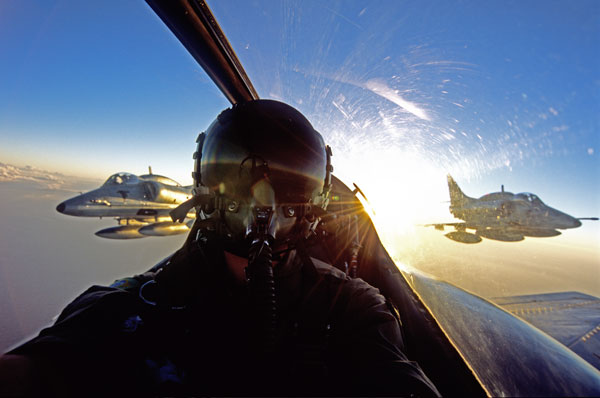
cj-with-two-af-1-skyhawks

A Embraer assinou hoje um contrato para a modernização de 12 jatos da Marinha do Brasil – nove AF-1 (monoposto) e três AF-1A (biposto). A cerimônia ocorreu durante a sétima edição da Latin America Aero and Defence (LAAD), feira aeronáutica e de defesa que está sendo realizada de 14 a 17 de abril no Riocentro, na cidade do Rio de Janeiro, e contou com a presença do Ministro da Defesa, Nelson Jobim, do Comandante da Marinha, Almirante-de-Esquadra Júlio Soares de Moura Neto, do Comandante da Aeronáutica, Tenente-Brigadeiro-do-Ar Juniti Saito, e do Diretor-Presidente da Embraer, Frederico Fleury Curado. O programa é o primeiro de grande porte entre a Empresa e a Marinha e tem como objetivo a atualização tecnológica das 12 aeronaves.

“A Embraer se sente honrada com a confiança da Marinha do Brasil na realização desse importante contrato e a acolhe com entusiasmo no grupo de clientes de defesa, que reúne mais de 20 forças armadas ao redor do mundo”, disse Frederico Fleury Curado, Diretor-Presidente da Embraer. “Ao selecionar a Embraer, a Marinha contribui para o fortalecimento da capacidade tecnológica instalada no país voltada à revitalização e modernização de aeronaves militares.”

Os 12 aviões que serão modernizados são conhecidos mundialmente como A-4 Skyhawk. A modernização restabelecerá a plena capacidade operacional do 1º Esquadrão de Aviões de Interceptação e Ataque da Marinha, em sua missão conjunta com os meios navais e aeronavais, nas ações de defesa do País. O programa compreende a recuperação dos aviões e de seus sistemas atuais, além de implementar novos aviônicos, radar, geração elétrica e sistema autônomo de geração de oxigênio.

Esse acordo demonstra o compromisso da Embraer em oferecer a seus clientes produtos modernos, com avançada tecnologia e serviços de qualidade. Recentemente, a Empresa tem trabalhado na modernização das aeronaves de combate F-5 e A-1 (AMX) da Força Aérea Brasileira (FAB). Com mais este programa, a Embraer, atuando em conjunto com a Marinha do Brasil, a Força Aérea Brasileira e o Ministério da Defesa, cumpre o papel de assegurar ganhos em capacitação tecnológica e geração de empregos de alta qualificação no Brasil.

FONTE: Embraer /FOTO: Cees Jan van der Ende

Northrop Grumman oferece fragata para a Marinha do Brasil

Northrop Grumman oferece fragata para a Marinha do Brasil

imagem-001

imagem-003Oficiais da Marinha do Brasil conheceram nesta semana, na LAAD 09, a proposta da Northrop Grumman para uma escolta na faixa de 5 a 6 mil toneladas.
O navio é baseado no National Security Cutter em serviço na USCG. De acordo com a Northrop, diferentemente de outros, “não é de papel” e já está em operação.
A proposta da empresa americana engloba a reforma do AMRJ, para a construção do navios em seções, que poderiam ser produzidas em diferentes estaleiros civis. O estaleiro americano está particularmente preparado para auxiliar na reforma do Arsenal da Marinha, pois teve que reconstruir totalmente suas instalações destruídas pelo furacão Catrina.
A escolta oferecida pode receber os sistemas escolhidos pela Marinha do Brasil, desde a propulsão, até os sistemas de armas, incluindo VLS.
Um representante da Northrop disse ao Poder Naval que não acha que chegou atrasada em relação aos concorrentes, já que a Marinha ainda está coletando informações para sua escolha final.

imagem-002

segunda-feira, 6 de abril de 2009

CATAMARAN DE DESEMBARQUE X EDCG

En images : Enradiage du L-CAT dans le BPC Mistral

Le L-CAT et, au second plan, le BPC Mistral
crédits : MARIE BABEY


06/04/2009

C'est une superbe série de clichés que Marie Babey nous permet amicalement de diffuser. A l'occasion d'un travail photographique mené sur le bâtiment de projection et de commandement (BPC) Mistral, Marie a pu assister, devant Toulon, à des essais d'enradiage du Landing Catamaran (L-CAT), le nouvel engin de débarquement conçu par CNIM. La société varoise espère, dans les prochaines semaines, se voir notifier la commande d'au moins quatre engins de ce type par la Délégation Générale pour l'Armement (DGA).
Inscrits dans le cadre d'un contrat passé entre CNIM et la DGA, ces essais avec le Mistral ont débuté le 16 février (voir les photos de Jean-Louis Venne, après celles de Marie Babey, en fin d'article).

- VOIR LE SITE DE MARIE BABEY


Le L-CAT et le BPC Mistral (© MARIE BABEY)


Le L-CAT et le BPC Mistral (© MARIE BABEY)


Le L-CAT et le BPC Mistral (© MARIE BABEY)


Le L-CAT et le BPC Mistral (© MARIE BABEY)


Le L-CAT et le BPC Mistral (© MARIE BABEY)


Le L-CAT et le BPC Mistral (© MARIE BABEY)


Le L-CAT et le BPC Mistral (© MARIE BABEY)


Le L-CAT et le BPC Mistral (© MARIE BABEY)


Le L-CAT et le BPC Mistral (© MARIE BABEY)


Le L-CAT et le BPC Mistral (© MARIE BABEY)


Le L-CAT et le BPC Mistral (© MARIE BABEY)


Le L-CAT et le BPC Mistral (© MARIE BABEY)


Le L-CAT et le BPC Mistral (© MARIE BABEY)


Le L-CAT et le BPC Mistral (© MARIE BABEY)


Le L-CAT et le BPC Mistral (© MARIE BABEY)


Le L-CAT et le BPC Mistral (© MARIE BABEY)


Le L-CAT et le BPC Mistral (© MARIE BABEY)


Le L-CAT et le BPC Mistral (© MARIE BABEY)

________________________________________________________

Images de Jean-Louis Venne prises lors du premier enradiage du L-CAT, le 16 février, à quai à Toulon.


Le L-CAT et le BPC Mistral le 16 février (© JEAN-LOUIS VENNE)


Le L-CAT et le BPC Mistral le 16 février (© JEAN-LOUIS VENNE)


Le L-CAT et le BPC Mistral le 16 février (© JEAN-LOUIS VENNE)


Le L-CAT et le BPC Mistral le 16 février (© JEAN-LOUIS VENNE)


Le L-CAT et le BPC Mistral le 16 février (© JEAN-LOUIS VENNE)


Le L-CAT et le BPC Mistral le 16 février (© JEAN-LOUIS VENNE)

sábado, 4 de abril de 2009

Charles de Gaulle : Au moins quatre à six mois d'immobilisation

Charles de Gaulle : Au moins quatre à six mois d'immobilisation

Le Charles de Gaulle rentrant à Toulon, le 9 février (avant son immobilisation)
crédits : JEAN-LOUIS VENNE


03/04/2009

C'est Hervé Morin, ministre de la Défense, qui a fini, hier, par l'annoncer. Victime d'un problème sur son appareil propulsif, le porte-avions Charles de Gaulle restera, au moins, 4 à 6 mois à quai. Mais cette durée n'est qu'une estimation et l'immobilisation du porte-avions français pourrait, dans le pire des cas, être plus longue. Les ingénieurs de DCNS et ceux de la marine ne sont, en effet, toujours pas parvenus à déterminer, avec certitude, les causes exactes de l'usure anormale de deux pièces mécaniques d'entraînement des lignes d'arbres. Or, si de nouvelles pièces seraient d'ores et déjà commandées, il faut, avant de les installer, savoir ce qui a conduit à la dégradation de leurs aînées. Sinon, elles risquent fort de s'user aussi rapidement, voire même plus vite. Pour les non-initiés, l'absence, à ce jour, d'un diagnostic précis peut paraître étonnante. La fine fleur de l'ingénierie française serait-elle incapable, au bout de trois semaines, de résoudre une simple panne mécanique ? Le raccourci serait trop facile, tant le système propulsif du porte-avions nucléaire français est, par définition, complexe. Il ne s'agit pas d'ouvrir un capot de voiture produite en série et de se fier aux quelques indications du livret constructeur. Dans le cas du Charles de Gaulle, c'est un ensemble de haute technologie, avec de la mécanique de grande précision, qui parvient, en respectant les contraintes militaires (résistance aux chocs, discrétion acoustique...), à faire avancer une masse de 42.500 tonnes à plus de 40 km/h. Et, il n'est pas inutile de le rappeler, ce bâtiment reste un prototype, unique en son genre. La tâche est donc ardue, même pour des spécialistes chevronnés comme ceux de DCNS et du Service de Soutien de la Flotte.

La plus difficile semblait pourtant passé

Pour les militaires comme les équipes de l'industriel, l'année 2008 s'était pourtant bien terminée et l'année 2009 s'annonçait prometteuse, avec la remontée en puissance rapide du groupe aéronaval. Tous étaient satisfaits et même fiers d'avoir mené à bien un défi aussi complexe que la première Indisponibilité Périodique pour Entretien et Réparations (IPER). Quinze mois de chantier, 11.000 lignes de travaux et 200 équipements majeurs à traiter, dont le rechargement des deux coeurs nucléaires du navire. Le tout a été réalisé dans les temps impartis et sans problème majeur. Des systèmes électroniques à la propulsion en passant par les installations aviation, les catapultes, les presses de frein, les soutes à munition, les radars ou l'armement... L'IPER a représenté un chantier colossal, d'un coût de 300 millions d'euros. Elle a mobilisé 1600 personnes, dont 600 salariés de DCNS et de ses sous-traitants. A l'issue de l'arrêt technique, les essais en mer s'étaient révélés satisfaisants, le Charles de Gaulle atteignant la vitesse de 27 noeuds grâce à l'installation de deux nouvelles hélices pendant le passage en cale sèche.

Des hypothèses qui conduisent... à d'autres hypothèses

Mais, fin février, alors que les difficultés, prévisibles compte tenu de l'ampleur du chantier, avaient été surmontées, des vibrations anormales sont constatées dans les machines. Après investigation, une usure anormale de deux pièces d'accouplement, reliant deux des quatre turbines à leurs lignes d'arbres, est décelée. Le 13 mars, le chef d'Etat-major de la marine n'a d'autre choix que d'annoncer la suspension du programme d'activité à la mer du CDG. Depuis, les spécialistes tentent de comprendre. Les hypothèses les plus simples et « logiques » ont d'abord été passées en revue. Les ingénieurs ont bien évidemment planché sur l'incidence des nouvelles hélices et sur les conséquences de l'alourdissement du navire pendant sa construction. Initialement, le Charles de Gaulle devait afficher un déplacement de 36.000 tonnes en charge. Mais, notamment à cause du renforcement de la législation sur la sécurité nucléaire, le poids du bâtiment est passé à 42.000 tonnes. Les machines ne pouvant développer plus de puissance, pour atteindre la même vitesse, il a, notamment, fallu jouer sur le dessin des hélices. D'où la réalisation de deux hélices au design très complexe, que l'industriel français chargé de fabriquer fournira avec des défauts. On connaît la suite : Fin 2000, lors de sa traversée de longue durée, le CDG sera confronté à la rupture d'une pale. D'autre part, plus de poids signifie plus de couple moteur et donc une contrainte plus importante sur les matériels. Reste que, pendant les 200 jours d'essais qu'a connu le Charles de Gaulle dans ces conditions et avec le design des hélices actuelles, aucun signe de fatigue comme ceux rencontrés dernièrement n'a été décelé sur les équipements aujourd'hui incriminés. A eux seuls, l'alourdissement et les hélices ne semblent donc pas justifier le problème. Ce serait, malheureusement, trop simple. A ce jour, on indique que toutes les « hypothèses restent ouvertes » et que « toutes les pistes sont explorées pour comprendre ce qui se passe ». Les analyses portent sur l'entretien des matériels, leur structure, leur mise en place ou encore leur fonctionnement. Des montagnes de données doivent être épluchées, vérifiées et confrontées. En somme, un travail de fourmi.

Le groupe aérien embarqué de nouveau privé de plateforme

Faute de second porte-avions - dont le but, faut-il encore le rappeler, est d'assurer la permanence du groupe aéronaval pendant les indisponibilités du Charles de Gaulle - les pilotes de l'aéronautique navale avaient déjà été privés, pendant un an et demi, de leur unique bateau. Fin 2008, ils avaient retrouvé le pont du CDG pour se ré-entrainer aux manoeuvres d'appontage et de catapultage. Assez rapidement, Rafale, Super Etendard Modernisés et Hawkeye avaient retrouvé leurs marques. Fin février, en cas de crise, le porte-avions et son groupe aérien embarqué étaient aptes à être déployés. La marine souhaitait, néanmoins, poursuivre et approfondir les entrainements, afin que le bâtiment, son état-major embarqué, le GAE et l'ensemble du groupe aéronaval (qui comprend également frégates, sous-marin et ravitailleur) puisse s'aguerrir. De retour à Toulon fin février, après avoir achevé la période de qualification des pilotes, le navire devait reprendre la mer ce mois-ci pour débuter une campagne de la plus haute importance. Au printemps, les jeunes pilotes, qui n'ont jamais, encore, apponté sur le Charles de Gaulle, devaient commencer leur entrainement. Or, la formation de ce « vivier » est capitale pour la marine, car elle permet le renouvellement, l'entretien et la transmission des compétences au sein des flottilles. Déjà, durant l'IPER, une vingtaine de jeunes pilotes était en attente. Si l'immobilisation du Charles de Gaulle s'éternise, il risque donc d'y avoir, d'une part, « embouteillage » au niveau des jeunes, et tarissement du potentiel chez les pilotes les plus rodés.

Symbole de la puissance militaire française

Avec la réussite de l'IPER, la Marine nationale et DCNS espéraient effacer les innombrables critiques dont le bateau a fait l'objet à ses débuts. Avec le recul, on peut même considérer que le CDG a fait l'objet d'un véritable acharnement médiatique, plutôt injuste au regard du challenge qu'a représenté sa conception, sa réalisation et sa mise au point. A l'époque, la presse n'avait, apparemment, pas mesuré le tour de force technique et technologique que les Brestois venaient de signer. En dehors des Etats-Unis, la France est devenue, avec le Charles de Gaulle, la seule nation à posséder une arme de cette importance. Aérodrome flottant à l'autonomie quasi-illimitée grâce à sa propulsion nucléaire, arsenal capable de parcourir 1000 kilomètres par jour en profitant de la liberté de navigation, outil politique majeur mais aussi de dissuasion car capable de délivrer l'arme nucléaire grâce à son aviation embarquée... Le Charles de Gaulle est, en réalité, le symbole « apparent » (en parallèle des sous-marins nucléaires, par définition « invisibles ») de la puissance militaire - et par extension politique - de notre pays. C'est peut être pourquoi, au regard de ce qu'il représente, les media et la population ne tolèrent aucune « faille » dans le système. Il y a peut être là, plus ou moins consciemment, une notion de fierté nationale. Ce bateau représente la France et doit fonctionner. C'est un impératif et l'erreur n'est pas permise. Dans d'autres cas, les attaques faites au porte-avions sont, sans doute aussi, une manière pour certains courants de railler l'Etat, ou l'institution militaire.

Le traumatisme des premières années

Alors qu'on demande rarement aux constructeurs automobiles combien de prototypes se sont crashés avant de lancer une production en série, le Charles de Gaulle, pièce unique et rassemblant le meilleur des technologies de l'époque, a naturellement subi, après son achèvement, une longue période de rodage et diverses avaries pendant sa mise au point. En 1999, les essais sont suivis à la loupe par les media, qui ne manquent pas de monter en épingle le moindre problème. Cette période a, d'ailleurs, été vécue comme un véritable traumatisme par nombre de marins.
Des avaries de la première sortie en mer à la piste oblique que la marine décide de rallonger, la « série noire » aura pour point culminant la rupture d'une pale d'hélice, au large des Antilles, dans la nuit du 9 au 10 novembre 2000. Le bâtiment rentre à Toulon et, après expertise, les hélices se révèlent défectueuses. En attendant la livraison d'un nouveau jeu, qui prendra plusieurs années, les hélices de rechange des porte-avions Foch et Clemenceau sont montées sur le Charles de Gaulle.

Un sans faute depuis 2001

Reprenant la mer en mars 2001, le bâtiment atteint la vitesse de 25 noeuds, soit 2 noeuds de moins que sa vitesse maximale contractuelle. Cette allure est néanmoins suffisante pour la mise en oeuvre des premiers Rafale (F1), des SEM et des Hawkeye. Admis au service actif au mois de mai, après des années à subir des critiques incessantes, le porte-avions ne connaitra plus de problème majeur. Dès la fin 2001, il est dépêché en océan Indien pour participer à l'opération Enduring Freedom, qui verra le renversement du régime taliban en Afghanistan. Suivront cinq années durant lesquelles le Charles de Gaulle réalisera l'équivalent de 12 tours du monde. Déployé en Atlantique en 2005, on le trouve en 2004, 2006 et 2007 en océan Indien, où son groupe aérien participe à l'appui des troupes alliées engagées en Afghanistan. Loin des caméras, au milieu du jeu complexe de la dissuasion et de la démonstration de force, il s'avère être un outil politique et militaire précieux pour la France. L'une de ses arrivées à Djibouti a notamment permis de calmer les velléités des voisins du petit Etat africain, point d'appui stratégique essentiel pour la France. Toujours en océan Indien, lors de l'une des crises liées au nucléaire iranien, sa présence au large des côtes iraniennes, en compagnie d'un groupe aéronaval américain, a sans nul doute joué un rôle important dans le retour de Téhéran à la table des négociations. Pas toujours visible ou mesurable, l'impact d'un tel outil peut être considérable. Par sa puissance et sa liberté de mouvement, c'est en tous cas l'expression de la volonté politique d'un pays. « Il y a ceux qui ont des porte-avions et ceux qui n'en ont pas », résume un amiral à la retraite.

OTAN : La France réintègre le commandement intégré sans porte-avions

La puissance et l'autonomie du porte-avions en font aujourd'hui le principal outil de projection de puissance de la France. Depuis 2001, le Charles de Gaulle a fait la preuve de ses capacités et l'US Navy, comme la Royal Navy, ont a plusieurs reprises saluées ses performances. Aux Etats-Unis, où les porte-avions ont un rôle stratégique majeur, la découverte qu'un autre pays pouvait mettre en oeuvre un tel outil fut une surprise. Alors que le Charles de Gaulle et ses homologues américains ont réalisé de nombreuses manoeuvres en commun ces dernières années, les relations se sont approfondies en 2007 et 2008. Après avoir réalisé leurs premiers appontages et catapultages sur l'USS Enterprise, les Rafale de l'aéronautique navale ont renouvelé l'expérience, en mai dernier, sur l'USS Harry S. Truman. Véritable marque de confiance et de respect, la Navy a même accepté, pour la première fois, que des appareils étrangers soient basés plusieurs jours sur l'un de ses bâtiments. C'était en juillet dernier, au large de Norfolk, sur l'USS Theodore Roosevelt. Les Américains se sont dits très satisfaits de ce déploiement et ont félicité les Français pour leur parfaite intégration à l'équipage et aux escadrons de la Navy.
Ces liens créés et l'interopérabilité des moyens étaient donc de bon augure en vue d'un prochain déploiement du Charles de Gaulle, mission que nombre d'observateurs imaginaient déjà dans la région de l'océan Indien et du golfe Persique. De plus, c'est avec le plus puissant bâtiment de combat d'Europe, de nouveau opérationnel, que la France s'apprêtait à « regagner » l'OTAN en pleine possession de ses principaux moyens militaires.
Mais c'était sans compter avec ce « bateau rebelle » qui a décidé, pour on ne sait encore quelle raison, de célébrer à sa manière le retour de la France dans le commandement intégré de l'OTAN. Quarante-trois ans après que le Général en eut claqué la porte, le Charles de Gaulle refuse, obstinément, de livrer la cause de ses maux. « Esprit es-tu là ? » diraient certains. « Si oui, donne-nous des réponses » répondraient sans doute ingénieurs et techniciens...

Incorporação do NDCC Almirante Sabóia

Incorporação do Navio de Desembarque de Carros de Combate
“Almirante Saboia”


Será incorporado à Marinha do Brasil, no dia 21de maio de 2009, na cidade de Falmouth - Reino Unido, o Navio de Desembarque de Carros de Combate (NDCC) “Almirante Saboia”, em cerimônia presidida pelo Chefe do Estado-Maior da Armada, Almirante-de-Esquadra Aurélio Ribeiro da Silva Filho.

O Comando do navio será assumido pelo Capitão-de-Mar-e-Guerra Oscar Moreira da Silva Filho.

Conceito de Emprego
O NDCC “Almirante Saboia” será empregado no transporte de tropa e carga em Operações Anfíbias, Ribeirinhas e de Apoio Logístico Móvel.

Por ocasião dessas Operações, poderá executar transbordos de pessoal; Movimento Navio-Terra (MNT), por superfície ou helitransportado; abicagens; Operações Aéreas; bem como lançamentos e recolhimentos de Carros Lagarta Anfíbios (CLAnf).

NDCC “Almirante Saboia” - Principais características
- Comprimento Total ..........................................................137,51 m
- Comprimento entre perpendiculares ...................................... 123,98 m
- Boca moldada ...........................................................................17,68 m
- Boca máxima ............................................................................18,30 m
- Calado carregado .......................................................................4,50 m
- Deslocamento carregado .......................................................6.748 ton
- Deslocamento leve ................................................................ 4.983 ton
- Sistema de propulsão:
    - 2 Motores Wartisila diesel Tipo 12 SW 280, 3.600 kW, 900 rpm cada, 12 cilindros
    - 1 Bow-Thruster Brunvoll Model Norway
- Geração de energia:
    - 4 Grupos Motor-Gerador e 1 Diesel gerador de emergência 400 KW
    - 4 motores Ruston 6RK215 de 974kW; e
    - 4 Geradores A. van Kaick 930 kW, 440 V, trifásico, 60 Hz, 900 rpm
- Velocidade Máxima Mantida (VMM) .................................................................17 nós
- Velocidade Econômica de Cruzeiro(VEC) .................................................. 14 nós
- Raio de Ação ................................................................................ 9.200 MN a 15 nós
- Tripulação ................................................................................................. 54 militares
- Armamento ........................................................................................2 MTR Gamb-O1
- 2 conveses de vôo (Convôo):
    - Convôo de Ré: operação com aeronaves do porte do Superpuma ou Sea King; e
    - Convôo a Meio-Navio: operação com aeronaves do porte do Chinook CH-47C.


Uruguai demonstra interesse nas fragatas F122 da Alemanha

Marinha do Uruguai demonstra interesse nas fragatas F122 da Alemanha

f122-class

Segundo fotes oficiais, a Armada do Uruguai quer adquirir fragatas da classe “Bremen” (F122), que serão desativadas pela Marinha Alemã quando entrarem em serviço as F125.

Em 2008 o Uruguai adquiriu duas fragatas portuguesas da classe “João Belo” (foto abaixo) por 13 milhões de euros, batizadas como Uruguay (ROU 01) e Comandante Pedro (ROU 02). Mas esses navios não têm capacidade para operar os helicópteros Bö-105 adquiridos pela Armada. Um único navio uruguaio pode operá-los, o General Artigas (ROU 04), ex-Freiburg.

Nos últimos anos a Armada Uruguaia adquiriu da Alemanha quatro navios-varredores da classe “Kondor”, um navio de apoio e salvamento submarino (ROU Vanguardia), um patrulheiro oceânico (ROU Maldonado), o navio de apoio logístico ROU General Artigas e um rebocador, ROU Ortiz.

rou-1-uruguay

FONTE: infodefensa.com

Peru compra dois NDCC e seis helicópteros SH-3H

Peru compra dois NDCC e seis helicópteros SH-3H via FMS

fresno-lst1182_1

racine-lst-1191

O jornal La República noticiou que o Peru comprou dos EUA via FMS (Foreign Military Sales), dois navios de desembarque de carros de combate da classe “Newport” e 6 helicópteros SH-3H Sea King, mais 12 motores.
Os dois navios, USS Racine e USS Fresno, que são da mesma classe que o nosso Mattoso Maia, estão preservados em Pearl Harbor desde 1993, quando foram desativados. Eles pode ser vistos juntamente com outros dois navios do tipo no Google Earth e Google Maps, como mostra a imagem abaixo:

lsts-pearl-harbor

FONTE: infodefensa.com


quarta-feira, 1 de abril de 2009

PortoGente O mastro da praticagem santista


O mastro da praticagem santista
Texto publicado em 31 de Março de 2009 -

por Laire José Giraud *

Um dos navios mais célebres da Marinha do Brasil foi o cruzador-escola Benjamin Constant, construído na França no século 19, tem uma de suas partes perpetuadas em Santos, mais precisamente, no estaleiro da Praticagem do Porto de Santos, que fica na Praia de Santa Cruz dos Navegantes, margem esquerda do canal. Na verdade é uma parte do mastro. O que foi um belo navio, viveu os seus dias finais no Estuário, onde foi desmontado para ser aproveitado como sucata.

A xerocópia mostra o mastro do célebre

Benjamin Constant, que ficou durante várias

décadas na antiga sede da Praticagem. Com a

construção da nova sede o mastro histórico foi

mandado para o estaleiro da entidade, no outro

lado do canal de acesso ao porto.

Os dados são do prático aposentado Gerson da Costa Fonseca, que estará completando 91 anos, no próximo 13 de abril, do historiador Jaime Caldas, falecido em 2008, e da Revista Marítima Brasileira, da Marinha.

O Benjamin Constant, que deu origem ao hino da Marinha – Cisne Branco, foi construído no estaleiro Forges et Chantier de La Mediterranée, no porto de La Seyne-França.

A construção foi acompanhada pelo contra-almirante João Candido Brasil. A embarcação foi mastreada a galera, e lançada ao mar, em 1892.

Rarissimo cartão-postal do verdadeiro Cisne Branco da Marinha do

Brasil, o cruzador-escola Benjamin Constant, fundeado em Ponta

Delgada - São Miguel - Açores, no final do século 19. Acervo L.J.Giraud

O seu primeiro comandante foi o capitão de fragata Henrique Pinheiro Guedes, sucedido pelo capitão-de-mar-e guerra Antonio Alves Câmara.

Ainda no Porto de Toulon na França, recebeu a guarnição do primeiro cruzador Barroso, que veio a naufragar mais tarde no Mar Vermelho.

Em 1897, sob o comando do capitão de fragata Joaquim Rodriguez Torres Sobrinho, foi destacado para instalar um marco de bronze, na Ilha de Trindade, assinalando o domínio do Brasil sobre a área.

Antigo cartão-postal do cruzador-escola Benjamin Constant,

mostrando a configuração do navio e sua mastreação.

Acervo: L.J.Giraud.

Um dos feitos de destaque do cruzador-escola foi a viagem de circunavegação, com guardas-marinha em 1908, sob o comando do capitão de fragata Antônio Coutinho Gomes Pereira, partindo do Rio de Janeiro, em 22 de janeiro e regressando em 16 de dezembro.

Na viagem, recolheu 20 náufragos japoneses perdidos na Ilha Wake, no Oceano Pacífico.

Durante as comemorações do primeiro centenário da Independência do México, o Benjamin Constant representou o Brasil, sob o comando do capitão-de-corveta Filinto Perry.

Um outro célebre Cisne Branco da Marinha do Brasil foi o navio-escola Saldanha da Gama dos anos 30. Acervo: L.J.Giraud.

Deu baixa do serviço da ativa, pelo aviso 578, de 22 de janeiro de 1926. Pelo Aviso 643 do mesmo mês ficou a disposição da Diretoria do Pessoal da Marinha, para servir de sede às escolas auxiliares especialistas de armamento. O seu último comandante foi o capitão-de-fragata Américo Ferraz e Castro.

Quem serviu como marinheiro no Benjamin Constant foi o falecido comandante Raul Hermenegildo da Fonseca, pai de Gerson da Costa Fonseca.

Gerson lembra que a seção de mastro, que ficou durante muitos anos em frente da antiga sede da Praticagem de Santos, na Av. Saldanha da Gama, 64 – Ponta da Praia, integrava o mastro principal do Benjamin Constant. A compra foi feita por Gerson, a pedido do presidente da Praticagem na época (1949) Teófilo Quirino. O custo foi de CR$ 100,00 (cem cruzeiros), quando do desmonte.

O desmonte do Cisne Branco, foi feito em frente a oficina de reparos navais da Capitania dos Portos do Estado de São Paulo, que ficava entre o ferry-boat, na Ponta da Praia, e a bóia do Tijucupava, como era conhecida a bóia de sinalização que ficava no canal de acesso ao cais.

Outro famoso veleiro da nossa Marinha, foi

o navio-escola Guanabara, o atual Sagres da

Marinha de Portugal. Aqui atracado em

Santos por volta de 1952. Foto José Dias

Herrera. Acervo: L.J.Giraud.

As principais características do cruzador-escola eram: 74 metros de comprimento; 15,60 metros de boca (largura; 5,70 metros de calado (profundidade do casco na água); 2.870 toneladas de deslocamento, máquinas com potência de 2.800 cavalos-vapor, uma hélice, e velocidade de 14 nós (26 quilômetros por hora).

O Benjamin tinha três mastros: traquete, grande, mezena ou de ré. Este último era considerado o mastro de honra, pois nele era içado o pavilhão ou flâmula que indicava o comando dos oficiais da |Marinha de Guerra. A Bandeira Nacional era içada na carangueja deste mastro. Quando necessário, os mastros envergavam velas.

É uma pena que essa parte de um navio histórico, não tenha ficado na nova sede da praticagem, no mesmo local da antiga. Pois, poderia ter sido feito um conjugado arquitetônico do prédio unindo o antigo com o moderno. Provavelmente faltou sensibilidade por parte dos responsáveis pela construção do imóvel. Bem que o mastro do Benjamim Constant poderia voltar para Av. Saldanha da Gama.


* Laire José Giraud é despachante aduaneiro, colecionador de
Publicar postagem
cartões-postais da Cidade e de transatlânticos antigos. Colaborador da Revista de Marinha de Portugal. Publicou cinco livros, como